Meta Unveils 'Muse Spark' AI: Inside Zuckerberg's Multi-Billion Dollar Bet
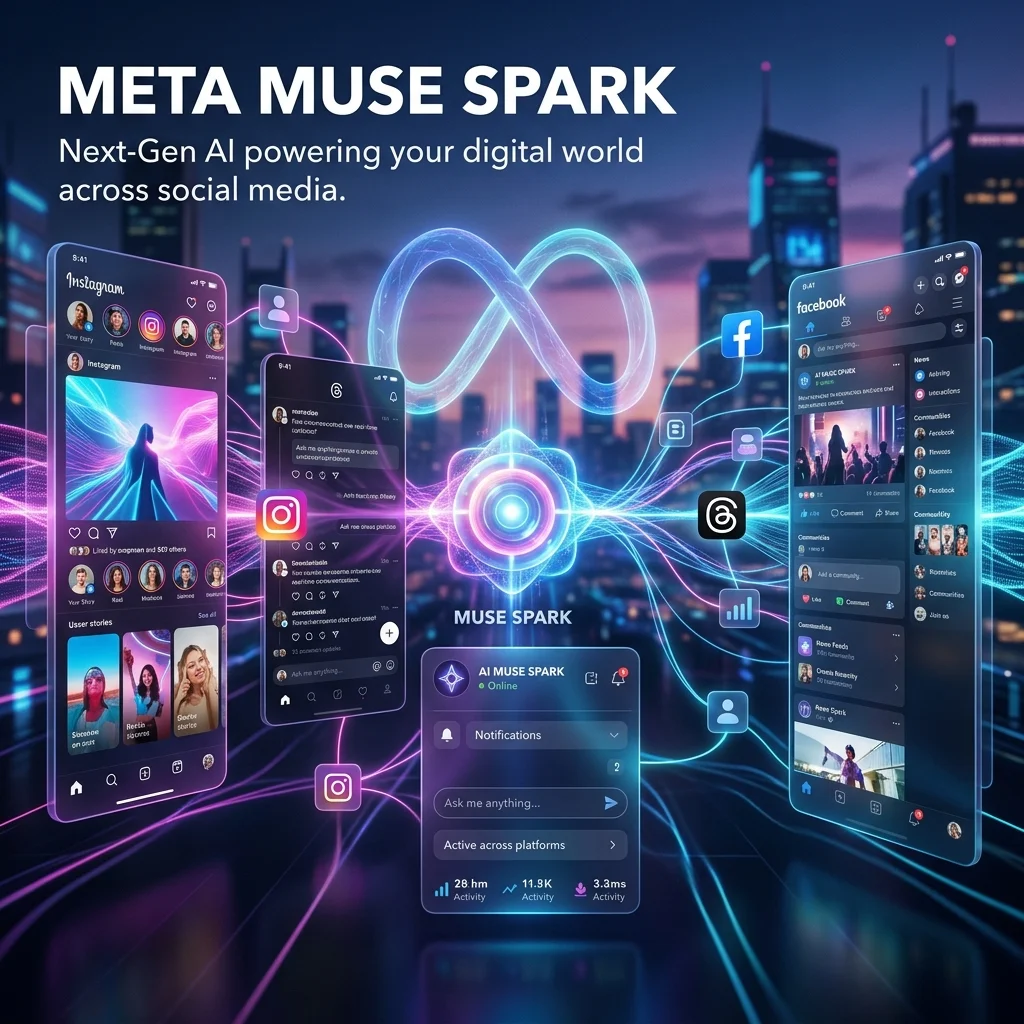
Following intense investor scrutiny and a massive AI spending spree, Meta has officially launched Muse Spark. Purpose-built for Instagram, Facebook, and Threads, it promises a highly visual, personalized AI experience, complete with a new Shopping Mode and expert-trained health advice.
“We are building products that don't just answer your questions but act as agents that do things for you.”
— Mark Zuckerberg
The First Major Release Since the $15B Spending Spree
Meta has officially launched its highly anticipated AI model, Muse Spark, marking the first major release since CEO Mark Zuckerberg aggressively pivoted the company's resources. Over the past year, Zuckerberg poured billions of dollars into data centers and offered unprecedented, 10-figure compensation packages to poach top AI researchers.
The $1.6 trillion social media juggernaut faced mounting pressure from Wall Street investors to justify these colossal expenditures, especially after the previous Llama 4model fell short of expectations last April. That stumble triggered a rapid series of executive restructurings, culminating in the creation of the “Meta Superintelligence Lab.”
Led by 29-year-old Alexandr Wang (formerly of Scale AI, following a $15B investment from Meta), the lab is tasked with catching up to frontier models from rivals like OpenAI and Google. With Muse Spark, Meta is taking a slightly different approach: rather than beating competitors on pure reasoning benchmarks entirely, they are leaning heavily into deep product integration.
Purpose-Built for the Social Ecosystem
Zuckerberg was upfront earlier this year that their early releases might not match the absolute frontier capabilities of their rivals. However, Muse Spark acts as the new backbone of Meta AI, and it is purpose-builtto leverage Meta's massive data advantage.
Meta AI will now deliver “smarter and faster” visual responses. By drawing on content natively shared across Instagram, Facebook, and Threads, it effectively weaves Reels, photos, and creator posts directly into user answers, with due credit given to content creators. For USA-based consumers and influencers, this means search queries inside Meta apps are about to become highly engaging, visual, and personalized.
Introducing Shopping Mode
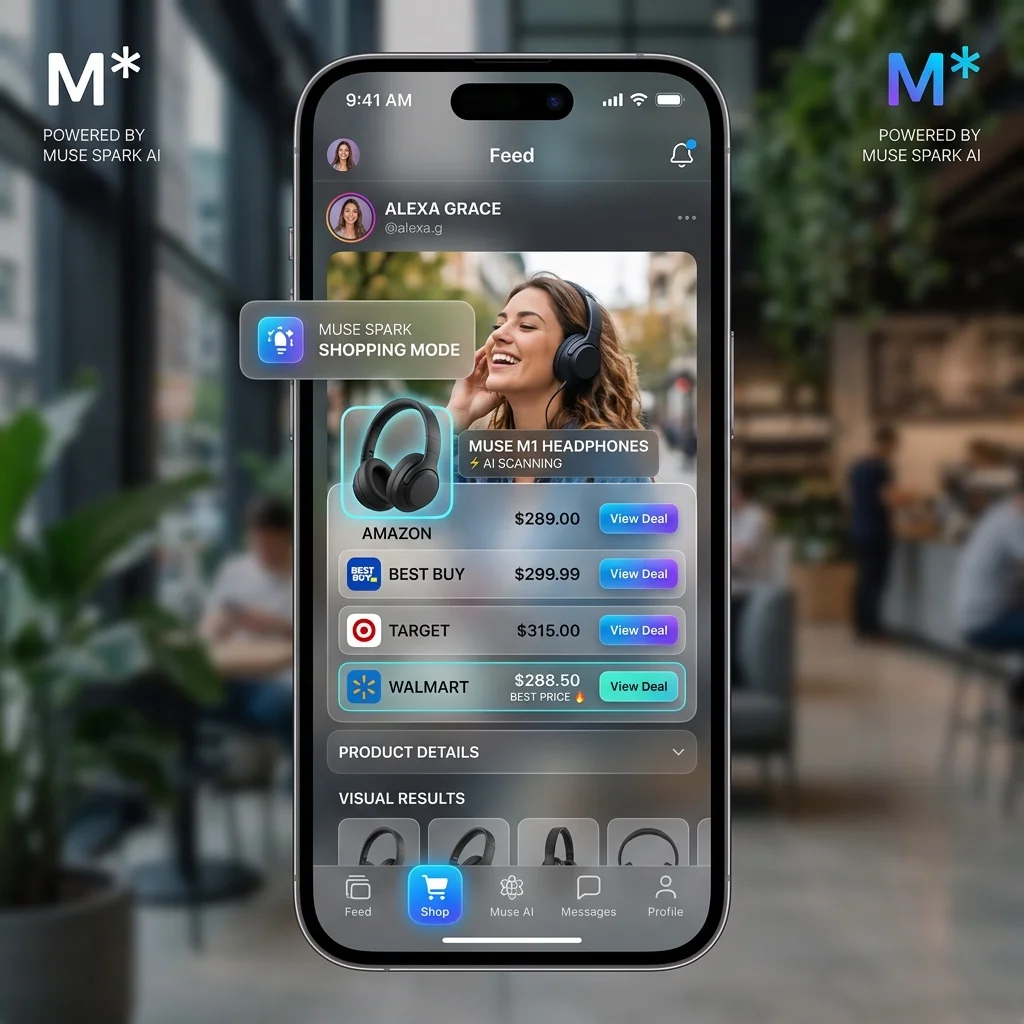
One of the standout consumer features of Muse Spark is the introduction of a new “Shopping Mode.”By unifying Meta's social commerce capabilities with generative AI, users can now consult Meta AI to dynamically compare prices, discover trendy aesthetic items via Reels, and execute purchases efficiently. For creators running businesses on Instagram, this AI layer acts as a fast-track funnel from inspiration directly to transaction.
Taking on ChatGPT Health
In a direct challenge to OpenAI's recent launch of ChatGPT Health, Meta announced that Muse Spark has exceptionally strong applications in the healthcare space. According to Meta, interacting with AI for health inquiries is “one of the top reasons people turn to AI.”
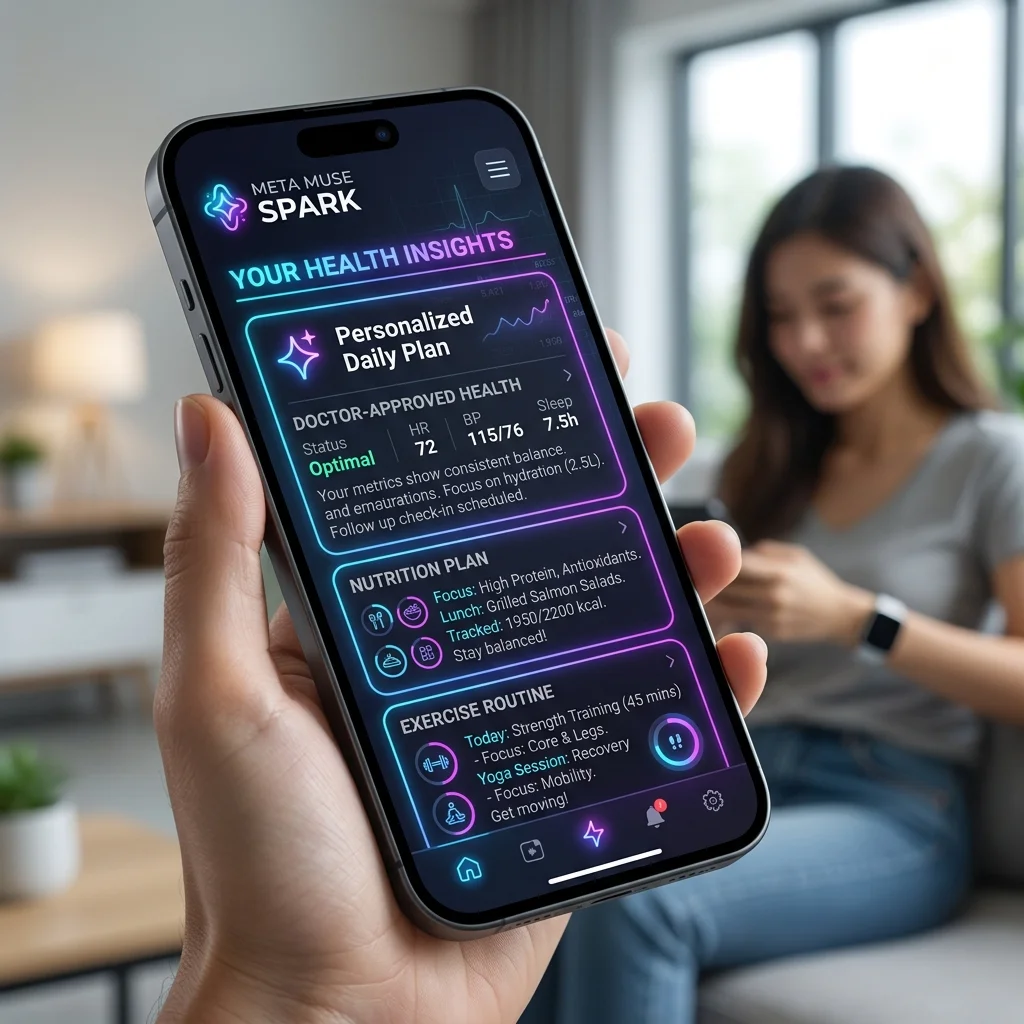
To ensure reliability, Meta collaborated with more than 1,000 doctors to robustly train Muse Spark. The result is an assistant incredibly adept at generating detailed, trustworthy responses regarding nutrition, personal fitness, and wellness routines.
A Pivot: Closed Model Strategy & AI Glasses
Perhaps the most controversial shift for developers is that, unlike Meta's famed open-source Llama series, Muse Spark is a closed model.Currently offered as a “private preview” for select partners, Meta noted they hope to open-source future versions. This marks a strategic pivot, prioritizing proprietary features for their own ecosystem before sharing the underlying weights.
Looking forward, Muse Spark sits at the center of Meta's highly prioritized hardware ambitions. The model focuses heavily on “multimodal perception”—such as advanced object recognition in photos. Zuckerberg continues to champion AI glasses as the inevitable gateway for personal superintelligence.
“When Meta AI powered by Muse Spark comes to our AI glasses, the assistant will be able to better see and understand the world around you,” the company stated.
While Meta acknowledges that performance gaps still exist—specifically in “long-horizon agentic systems and coding workflows”(areas where rivals like Anthropic are excelling)—the market reaction was notably positive. Meta shares surged 8% immediately following the announcement, signaling that Wall Street is finally seeing a coherent consumer vision behind the multi-billion dollar bet.
To stay ahead in the rapidly shifting artificial intelligence sector, check out our recent analysis on Claude 4.6 vs Gemini 3.1and how it influences the trajectory of Meta's upcoming developments! You can also find out more about Meta AI's official capabilities on Meta's official site.
Frequently Asked Questions
01.What is Meta Muse Spark?
Muse Spark is Meta's newly released AI model, purpose-built to operate across its social media products like Facebook, Instagram, and Threads. It powers a smarter and faster version of Meta AI, bringing more personalized and highly visual responses.
02.Is Muse Spark an open-source model like Llama 4?
No, currently Muse Spark is a closed model. Unlike Meta's previous Llama series, which were freely available for developers to tweak, Muse Spark is initially being offered as a 'private preview' to select partners. Meta's CEO Mark Zuckerberg has indicated hopes to open source future versions.
03.What makes Muse Spark's health features unique?
Meta worked with over 1,000 doctors to train Muse Spark to generate detailed, medically sound responses regarding nutrition, exercise, and overall health. Addressing health concerns is one of the primary reasons people turn to AI, according to Meta.
04.Does Muse Spark have a Shopping Mode?
Yes, powered by Muse Spark, Meta AI now features a 'shopping mode'. This is designed to help users actively compare prices, discover items, and see highly visual results directly woven into Facebook and Instagram experiences.
05.Who is leading Meta's Superintelligence Lab?
The 'Meta Superintelligence Lab' is led by 29-year-old Alexandr Wang. Wang joined Meta after the company invested $15 billion into his data-labeling startup, Scale AI. He also leads a highly secretive elite AI research division internally known as 'TBD' (To Be Determined).
06.How will Muse Spark work with Meta AI Glasses?
Meta is doubling down on integrating AI into wearable devices. With Muse Spark's enhanced 'multimodal perception,' the AI will be able to recognize objects in photos and 'see and understand the world around you' when integrated with Meta's AI glasses.