Google Pixel 10a Review: The Flat Design King that Finally Dumps the Camera Bump
For years, smartphone manufacturers have embraced massive, protruding camera modules. The Google Pixel 10a flips the script with a completely flat design. But is the $499 price tag justified given its recycled Tensor G4 processor?
Design: The Death of the Camera Bump
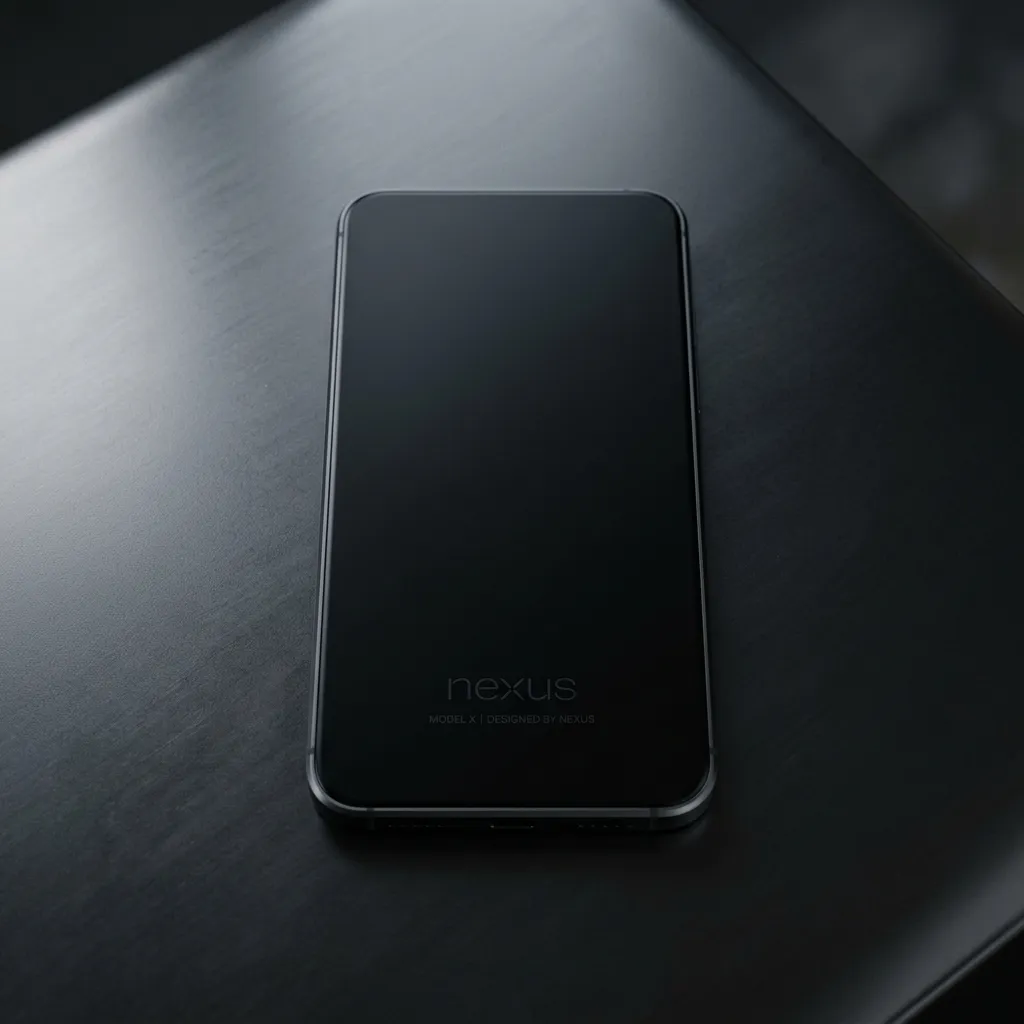
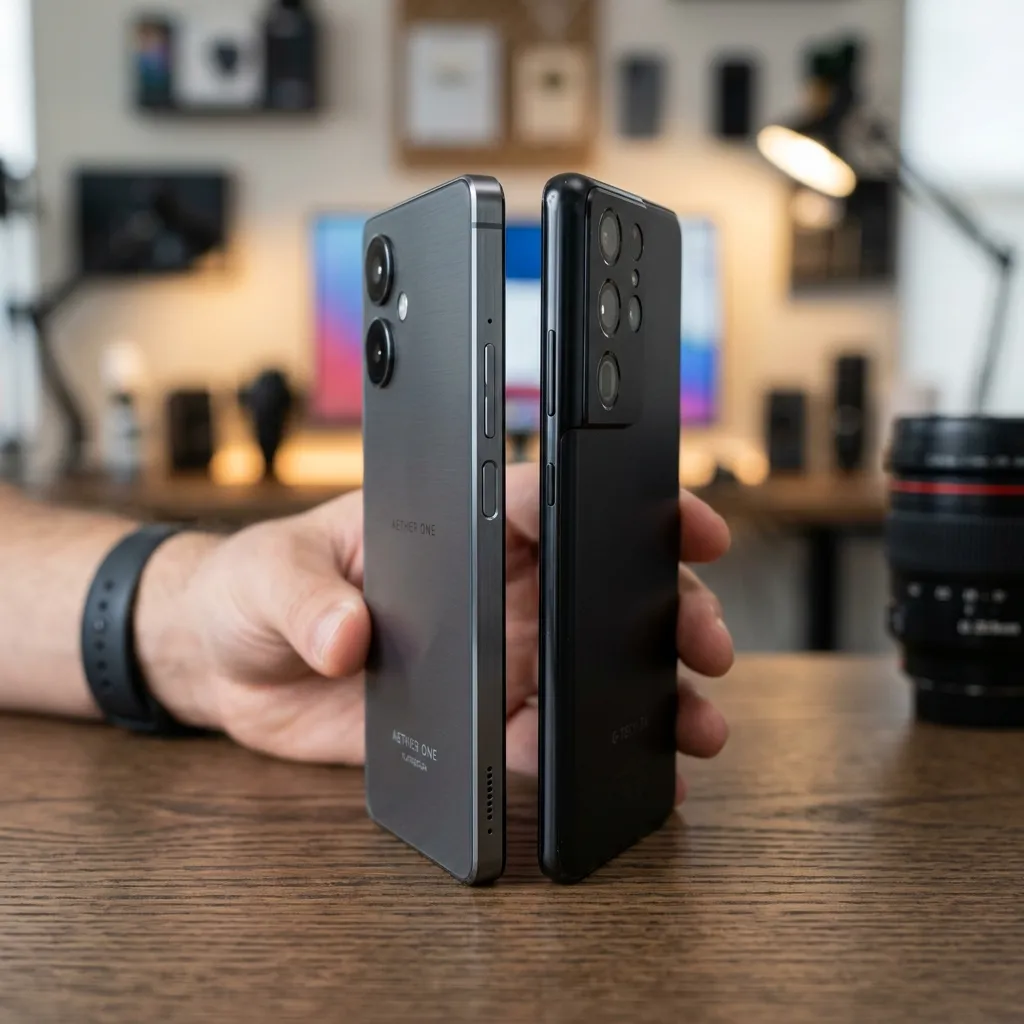
The Google Pixel 10adoesn't have a camera bump, and quite frankly, it's great. For years now, smartphone makers have made the camera modules on their devices exponentially bigger in order to chase marginal photographic improvements. Even if that kind of design pushed mobile photography forward, it created persistent usability issues—like the dreaded table wobble.
With the new Pixel 10a, Google took a refreshing approach: entirely removing the camera bump and crafting a completely flat smartphone that lies perfectly flush on surfaces. While this flat smartphone design is a delightful, long-awaited change, the overall aesthetics remain familiar. The preceding Pixel 9a looked mostly the same out of the box, albeit with a smaller camera bump compared to the main series.
I've been testing the plain old black unit, but it's also available in vibrant Lavender, Berry, and Fog colors.
Display & Build Quality
The screen size remains at a comfortable 6.3 inches, identical to last year's model. However, the visual experience gets a massive upgrade. Utilizing Google’s Actua display series, the screen is now substantially brighter, peaking at a blinding 3,000 nits. It supports a fluid 120Hz refresh rate, though it's worth noting that it ships at 60Hz by default to conserve battery.
Build-wise, corners were cut to maintain the budget-friendly price point. The Pixel 10a sports a plastic back and Gorilla Glass 7i on the front, contrasting directly with the more premium Victus 2 found on the flagship Pixel 10. Despite the plastic back, it feels robust and comfortable to hold.
The Tensor G4 Reality Check
Here is where the compromises become apparent. Under the hood, the device relies on the Tensor G4 chip—the exact same processor that powered the Pixel 9a. Consequently, there are absolutely no performance gains this year.
While it handles day-to-day tasks with relative ease, the lack of a processor upgrade makes the $499 price tag feel slightly stiffer. Still, in an economy where hardware prices are shifting—similar to the realities explored in the recent Sony PS5 price hike 2026 coverage—the value proposition remains surprisingly solid for the budget sector.
AI Capabilities & Omissions
The decision to stick with 8GB of RAM creates a hard ceiling for artificial intelligence capabilities. Most notably, the Pixel 10a cannot run the updated Gemini Nano AI model locally.
If you've read our breakdown on Claude 4.6 vs Gemini 3.1, you know that on-device AI is the frontier of 2026 computing. Missing out on the Gemini Nano means missing out on top-tier features like advanced notification summaries, Magic Cue, and automated call notes. What you do get are cloud-reliant AI tools and older standard features like Camera Coach and Auto Best Take.
Camera Performance, Battery & Usability
Even without a bump, the camera array holds its own. It features a reliable 48MP main sensor paired with a 13MP wide-angle lens. The photos maintain that classic, contrast-heavy Pixel aesthetic that fans adore, further bolstered by AI features like Camera Coach.
Another major usability win is Quick Share. Acting incredibly seamlessly, the new Quick Share functionality now works natively with Apple’s AirDrop, making file transfers to a Mac effortlessly simple—a feature that major tech outlets have been begging for.
Endurance is also a strong suit here; it comes packed with a massive 5,100 mAh battery, comfortably beating out the base Pixel 10’s 4,970 mAh cell.
Pixel 10a vs. Pixel 10 vs. Pixel 9a
| Feature | Pixel 10a | Pixel 10 | Pixel 9a |
|---|---|---|---|
| Display | 6.3" Actua (3,000 nits, 120Hz) | 6.3" Actua (120Hz) | 6.1" OLED (120Hz) |
| Build | Plastic Back, Glass 7i (Flat) | Glass Back, Victus 2 | Plastic Back, Gorilla Glass 3 |
| Processor & RAM | Tensor G4 (8GB) | Tensor G5 (12GB) | Tensor G4 (8GB) |
| Battery Capacity | 5,100 mAh | 4,970 mAh | 4,492 mAh |
| Price | $499 | $799 | $499 |
Final Verdict
At $499, coupled with Google's generous promise of 7 years of software updates, the Pixel 10a is a compelling option. However, it faces a tough pose against alternatives like the Nothing Phone 4a Pro, which also retails for $499 but boasts superior specs, including blistering 50W fast charging and a devoted telephoto lens.
Ultimately, the Pixel 10a vs Nothing Phone 4a Pro debate comes down to aesthetics and software priorities. If you value a remarkably clean, flat smartphone design, excellent battery life, and the quintessential Google software experience, the Pixel 10a easily secures its spot as a contender for the best budget phone 2026.
Frequently Asked Questions
Q: Does Pixel 10a have a camera bump?
No, the Google Pixel 10a features a completely flat back design, eliminating the protruding camera bump found on previous generations.
Q: Can Pixel 10a run Gemini Nano?
Unfortunately, no. Due to its 8GB RAM limitation paired with the Tensor G4 chip, it cannot run the updated Gemini Nano AI model for on-device features.
Q: Is the Pixel 10a display 120Hz?
Yes, the 6.3-inch Actua display supports up to a 120Hz refresh rate, though it ships at 60Hz by default, reaching an impressive peak brightness of 3,000 nits.
Q: How does the Pixel 10a battery compare to the Pixel 10?
The Pixel 10a actually features a remarkably large battery at 5,100 mAh, which holds up extremely well against the base Pixel 10’s 4,970 mAh battery.