Apple's Incoming CEO John Ternus Built a $50K VR Headset in 1998
Before taking the reins at the world's most valuable tech company, John Ternus cut his teeth designing high-end military VR simulators. Oculus founder Palmer Luckey just dug up the evidence.
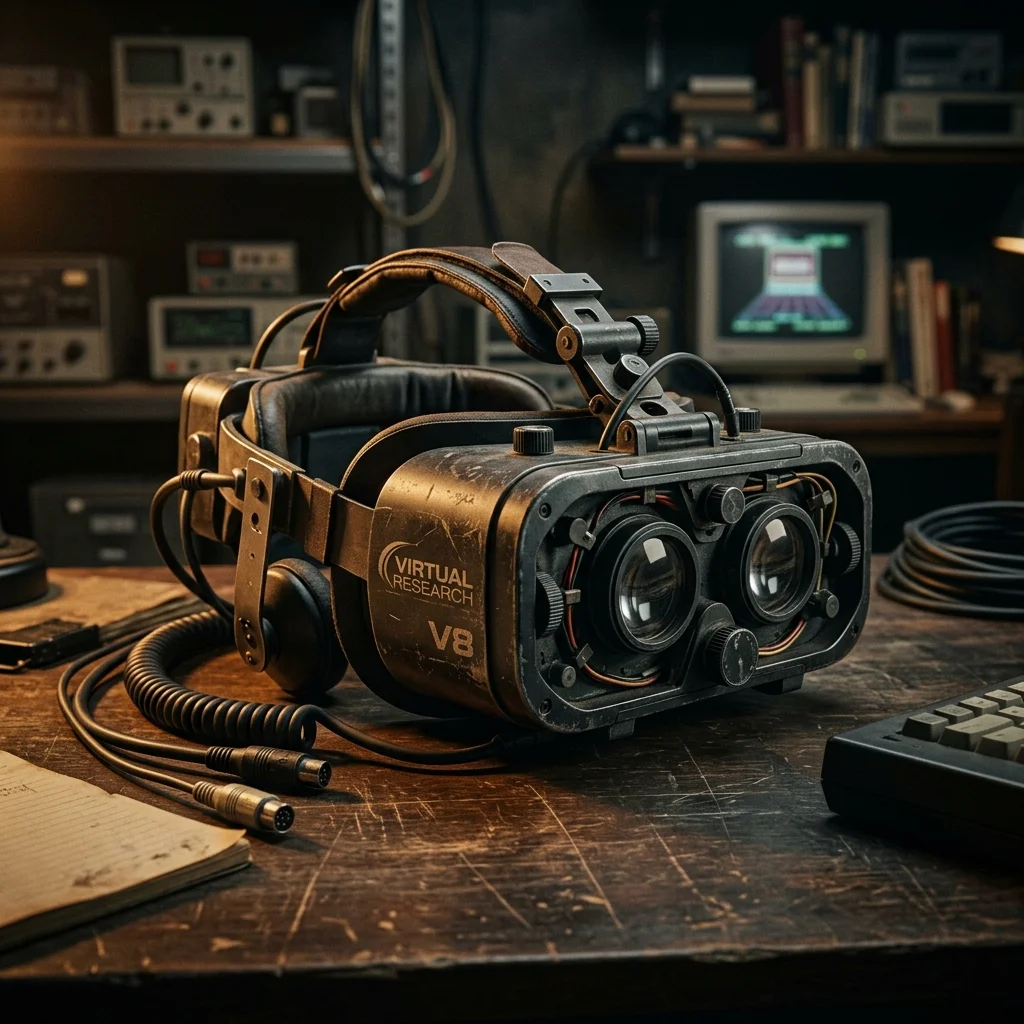
The Virtual Research V8 (1998) - A military-grade VR simulator that retailed for roughly $50,000.
"From what I can tell, he was the lead mechanical engineer on the V8 I obtained when I was 16!" — Palmer Luckey
Apple's John Ternus is a 25-year veteran of the Cupertino tech giant. Best known as Apple's hardware boss, he has been instrumental in the development of category-defining products like the AirPods and the iPad. In September, he is set to succeed Tim Cook as Apple's new CEO. But one of his very first engineering gigs was at a lesser-known, tiny outfit building virtual reality headsets.
Defense startup founder and Oculus VR creator Palmer Luckey recently took to X (formerly Twitter) to reminisce about a product that Ternus had a heavy hand in during his early engineering days in the late 90s.
01. Unearthing the Virtual Research V8

Luckey posted a photo of a retro head-mounted display (HMD) from a company called Virtual Research. According to Luckey's findings, John Ternus was the lead mechanical engineer on the V8 model, which Luckey managed to acquire when he was just 16 years old.
The V8 Headset Specs
- ✓Ergonomics: Described as "well-balanced and relatively lightweight" compared to clunky consumer products of the era.
- ✓Field of Vision (FOV): Far ahead of its time, offering an immersive visual spread critical for military use.
- ✓Market: Sold primarily to military flight simulators for an eye-watering $50,000.
02. From 1998 Prototypes to the Apple Vision Pro
A user guide for the V8 published online suggests the model was released in 1998. This aligns perfectly with Ternus's timeline; according to his LinkedIn profile, his only non-Apple job was a four-year stint as an engineer at Virtual Research from 1997 to 2001. A patent filed in 1995 and issued in 1998, during his tenure, describes a similar-looking "virtual display apparatus for use in a virtual reality system."

This historical nugget is fascinating given Apple's recent high-profile entry into the spatial computing market. In 2024, Apple debuted the Vision Pro. While the $3,500 mixed-reality headset received a lukewarm response due to its price and lack of killer apps, executives like Cook and Ternus have remained relentlessly optimistic about the future of VR.
"Vision Pro is an extraordinary product. It's like we reached into the future and pulled it into the present."
— John Ternus (Tom's Guide Interview)
A Return to Product-Minded Leadership
Tim Cook's background has heavily leaned into operations and supply chain management. John Ternus's appointment marks a return to a "product-minded" chief executive—a dynamic not seen since Steve Jobs. Knowing that the incoming CEO of Apple spent his formative engineering years physically building $50,000 VR headsets gives us a clear lens into where Apple's hardware roadmap might be heading next.
💡Frequently Asked Questions
Who is John Ternus?
John Ternus is a 25-year veteran at Apple, currently the Senior Vice President of Hardware Engineering. He is slated to become Apple's next CEO in September 2026, succeeding Tim Cook.
What is the Virtual Research V8?
The Virtual Research V8 was a high-end virtual reality headset released around 1998. It was primarily sold for military flight simulators and cost around $50,000. It was known for its wide field of vision and well-balanced mechanical design.
How is Palmer Luckey connected to John Ternus?
Palmer Luckey, the founder of Oculus, recently revealed on X (formerly Twitter) that he owns a Virtual Research V8 headset. According to his research, John Ternus was the lead mechanical engineer on that exact product before joining Apple.
Did Apple or John Ternus comment on the VR headset discovery?
As of now, neither Apple nor John Ternus has officially responded to requests for comment regarding his early work at Virtual Research.
Continue Reading
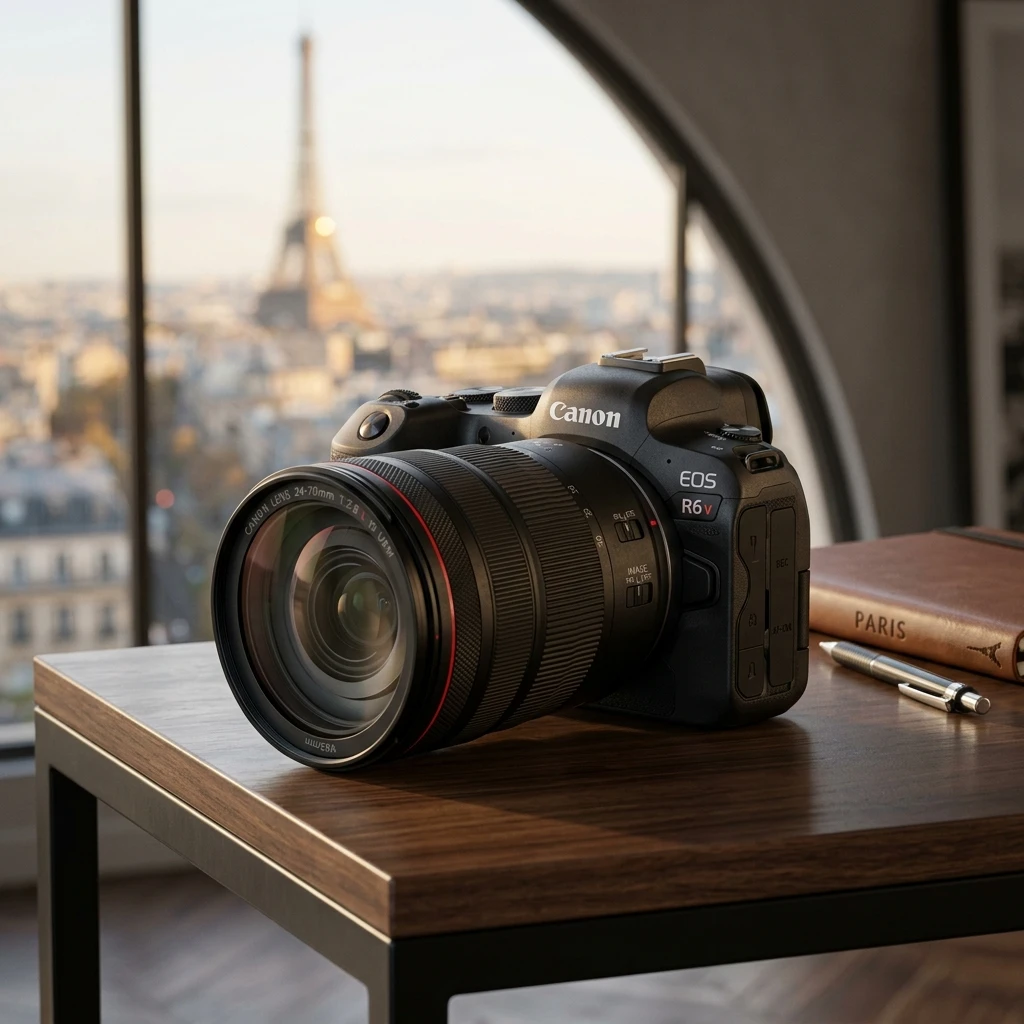
Canon EOS R6 V Review: A Pro Vlogging Camera at a Mirrorless Price — Fact-Checked Breakdown
Canon's EOS R6 V packs a 33MP full-frame sensor, 7K 12-bit RAW open-gate video, active fan cooling, and 7.5-stop IBIS into a $2,500 mirrorless body. Full fact-checked review and competition analysis.
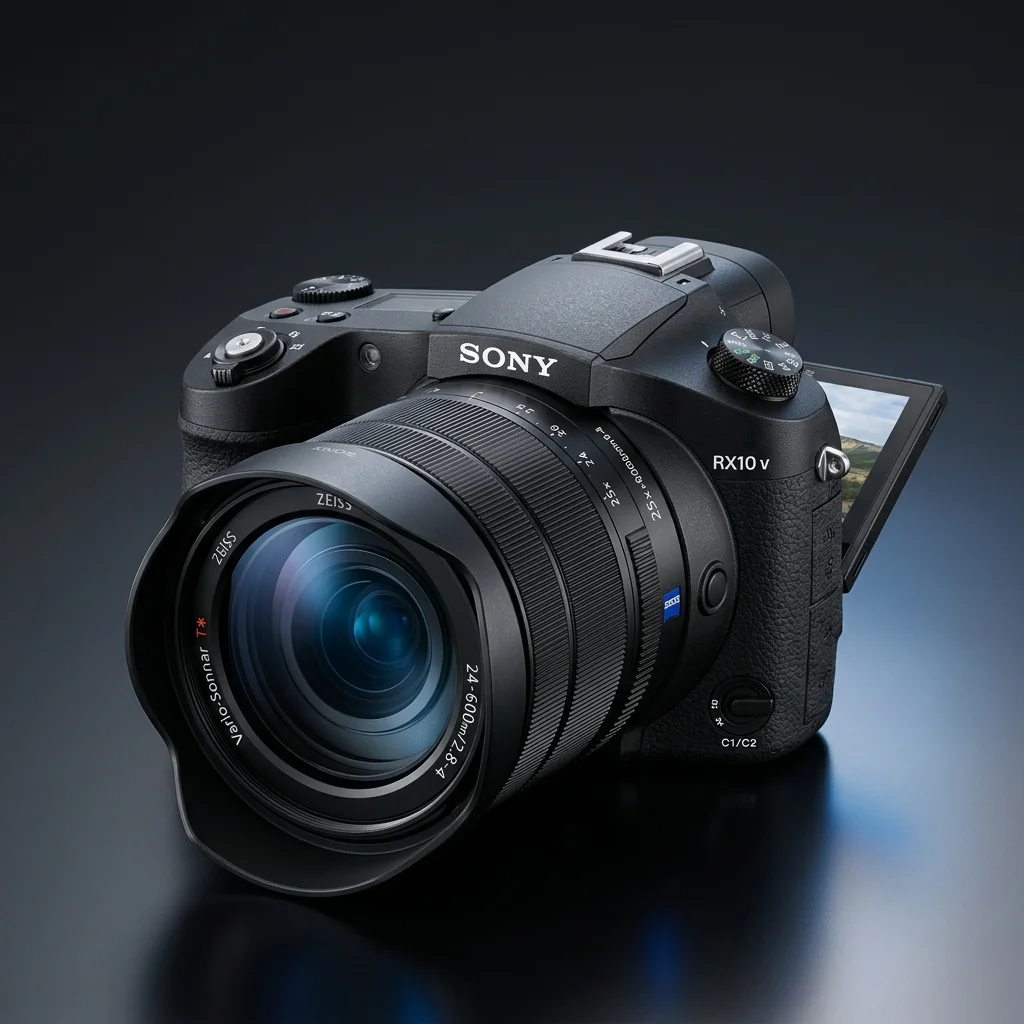
Sony's RX10 V Superzoom Arrives: 4K 120p Video, Deep Learning AF, and a $2,300 Price
Sony has officially unveiled the RX10 V, a superzoom compact camera with a 24-600mm ZEISS F2.4-4.0 lens, BIONZ XR processing with a dedicated AI unit, 4K 120p video capability, and a sleek revamped design.

Meta Quest Peak Summer Sale 2026: Best VR Game Deals Up to 80% Off — Full Breakdown
Meta Horizon Store's Peak Summer Sale runs until July 5, 2026 at 11:59pm PT. Ghost Signal for $1.99, Dungeons of Eternity for $14.99, Walking Dead and Stealth Masters bundles — every standout deal fact-checked and ranked.